reprogramming the mind.
Smart Rehabilitation Powered By Upper Extremity Science
Achieving patient recovery through adaptive neurorehabilitation based on proprietary Error Augmentation technology
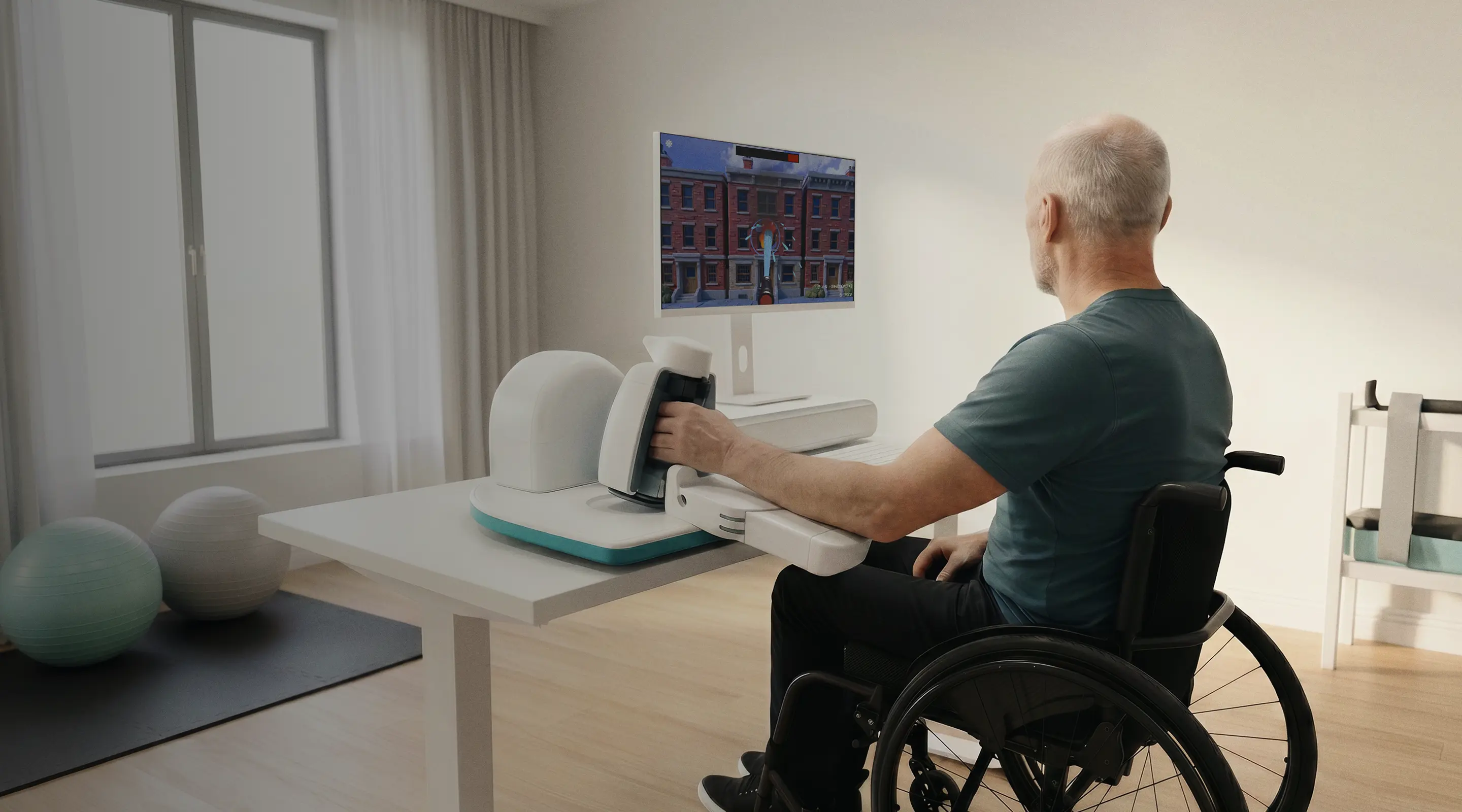
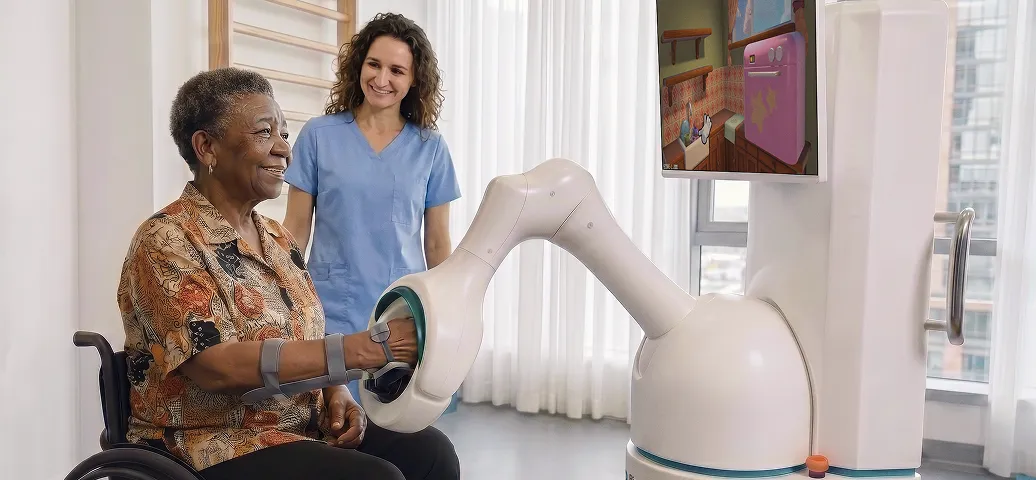
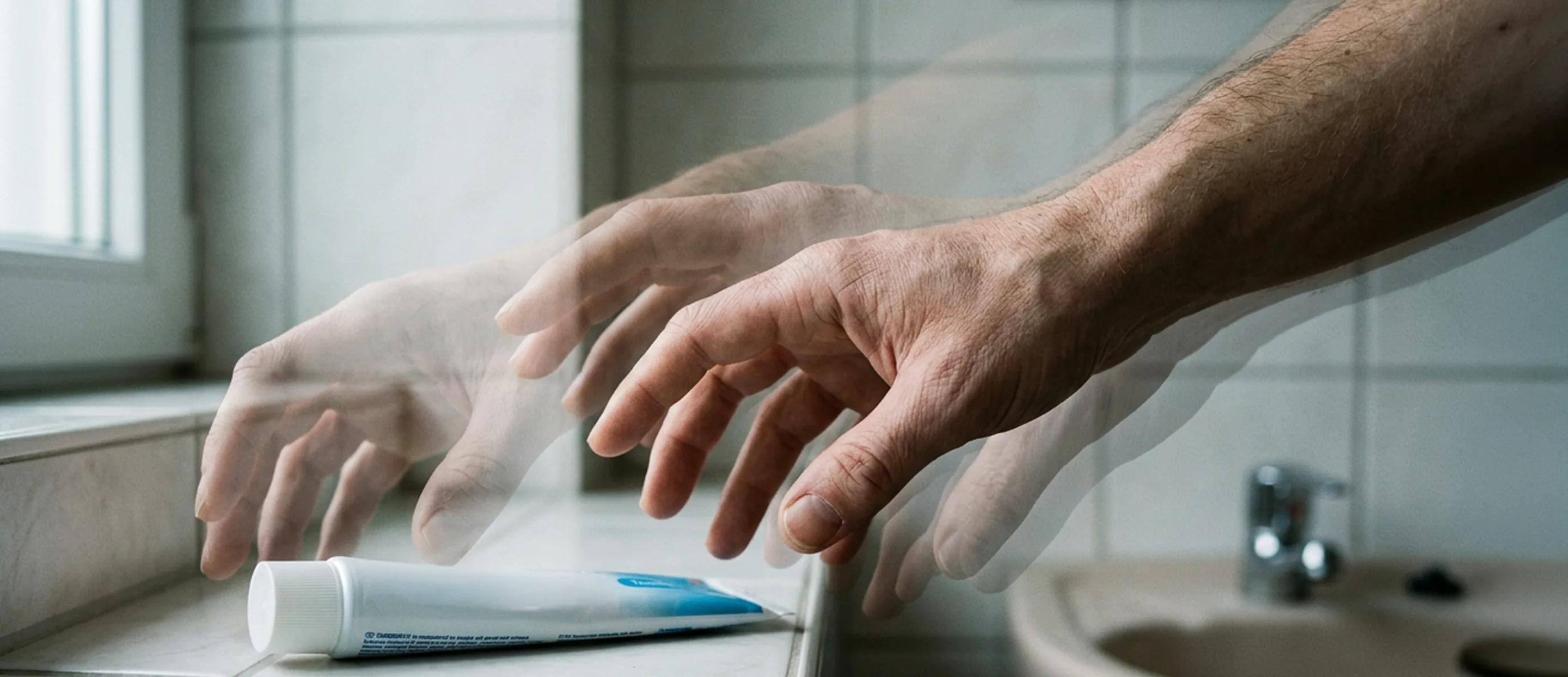
A unique robotic device applies motor error augmentation forces that operate during practice in a virtual 3D environment. The forces trigger the body's instinctive adaptive response, which does not require the use of cognition to correct the movement.
- A simulated environment enhances patient motivation and participation.
- Gamified tasks act as a great indicator of treatment progression for patients on their way to recovery.
- Error Augmentation forces lead patients to instinctively correct their own movements with zero reliance on manual guidance
Built on Clinical Evidence
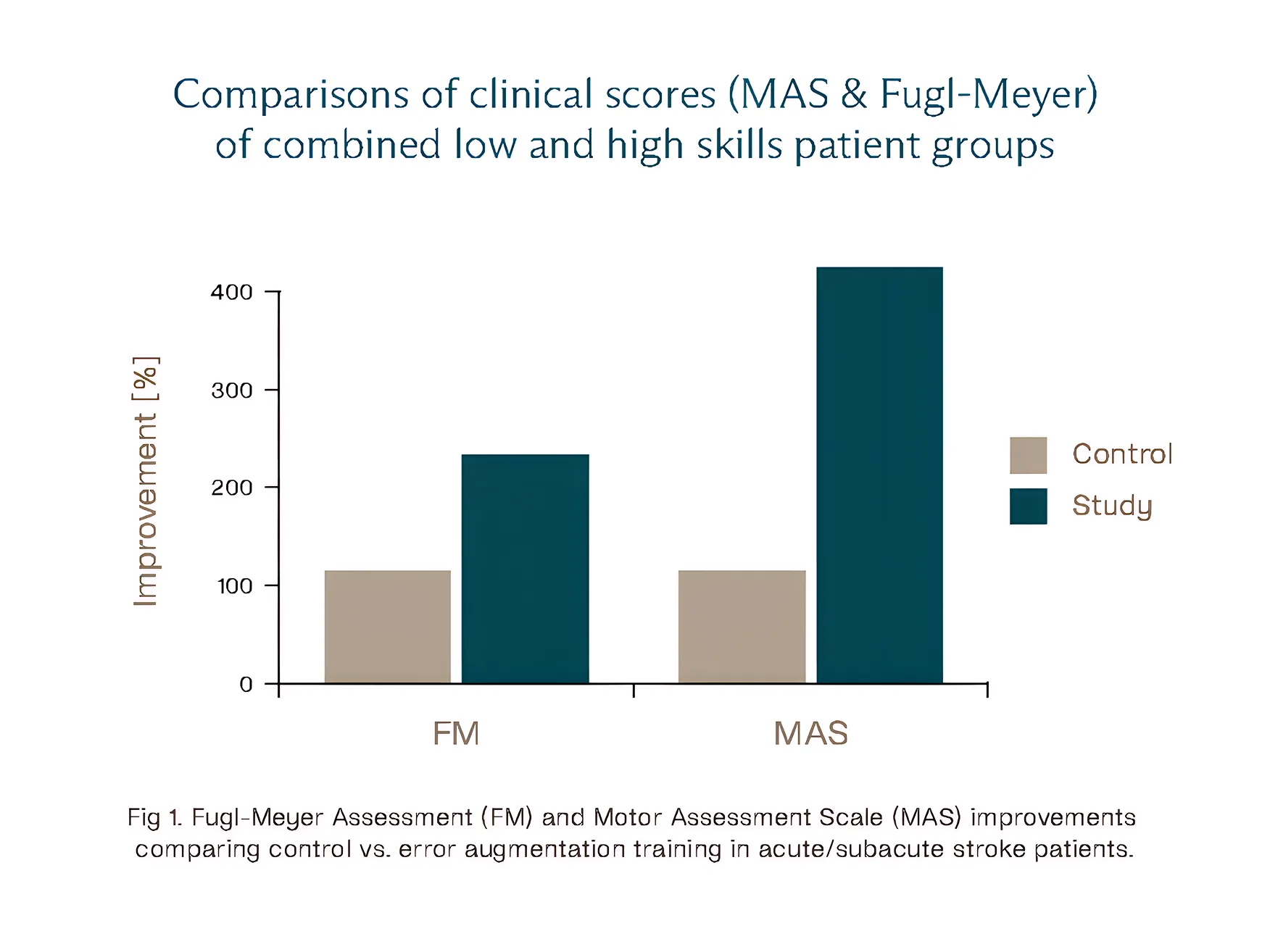
Clinical research supports Error Augmentation as an effective strategy for improving upper-limb motor recovery following neurological injury.
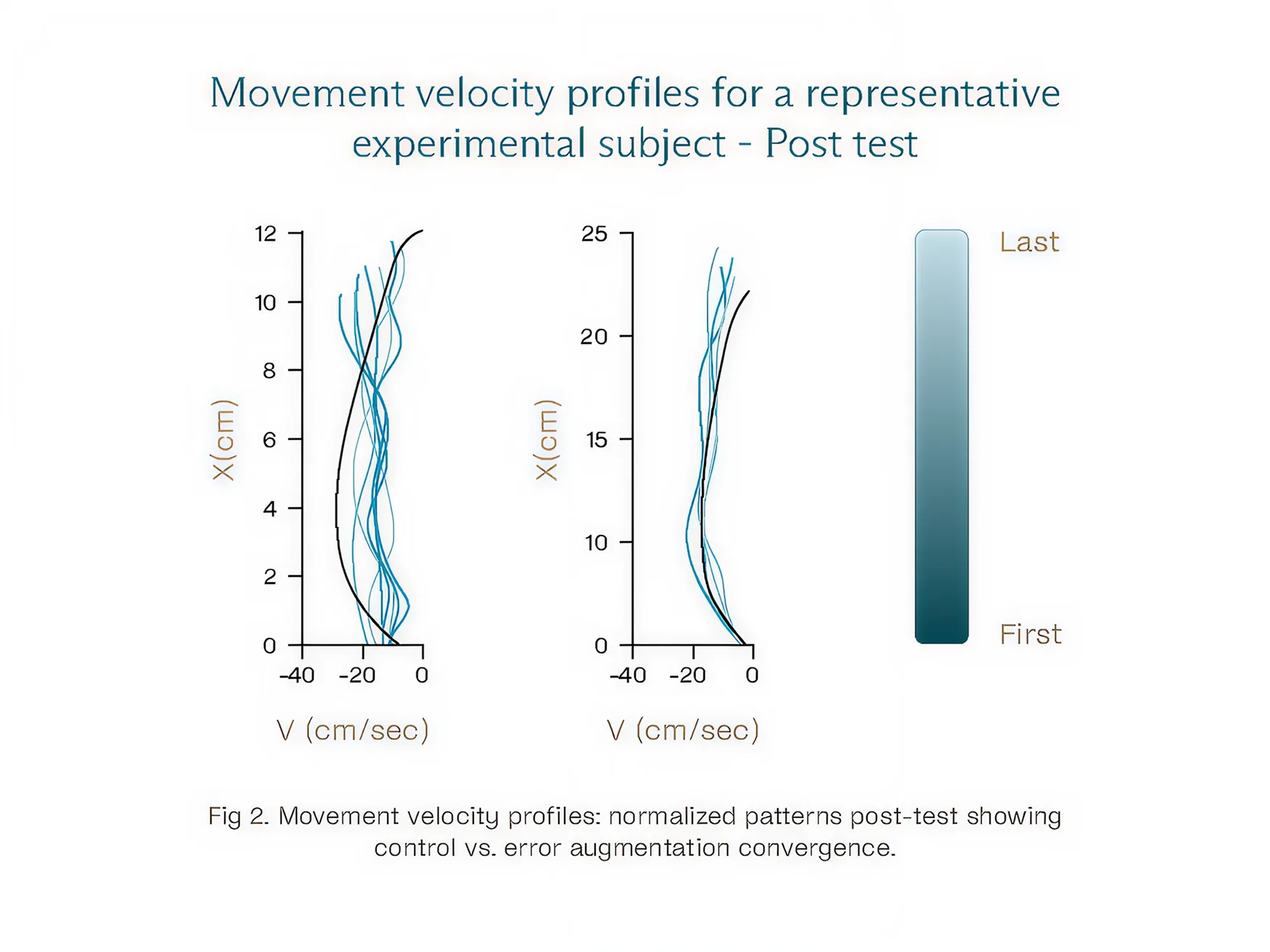
Studies in robotic rehabilitation show that amplifying movement errors can accelerate motor learning by driving adaptive updates to the brain’s internal movement models, resulting in improved movement performance and recovery outcomes.
Across multiple clinical studies, error-augmentation training has been shown to improve upper-extremity motor performance compared with conventional repetitive practice in post-stroke rehabilitation.
Liu, L.Y., Li, Y. & Lamontagne, A. The effects of error-augmentation versus error-reduction paradigms in robotic therapy to enhance upper extremity performance and recovery post-stroke: a systematic review.J NeuroEngineering Rehabil15, 65 (2018).

Read all about our science based technology
Motor Improvement by Error Augmentation Forces
Our upper extremity rehabilitation methodology was inspired by two key findings:
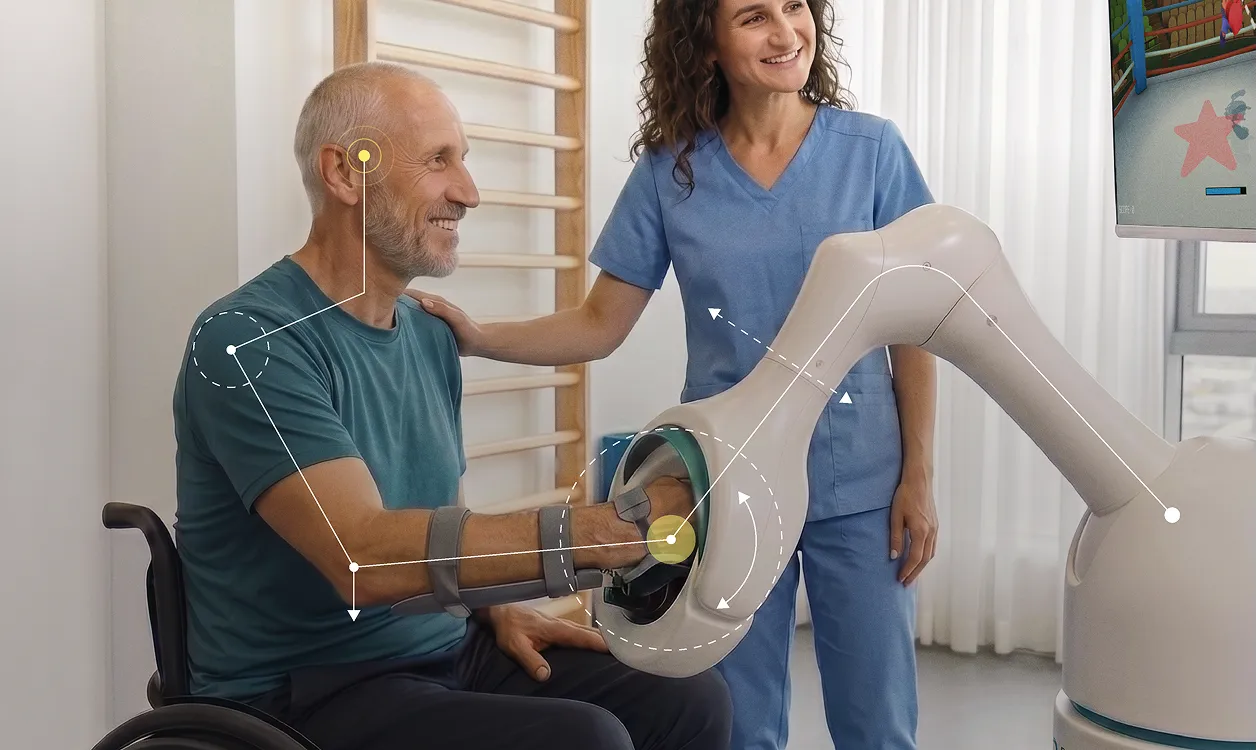
The brain predicts forces that are necessary for an upcoming movement and programs muscle activation accordingly
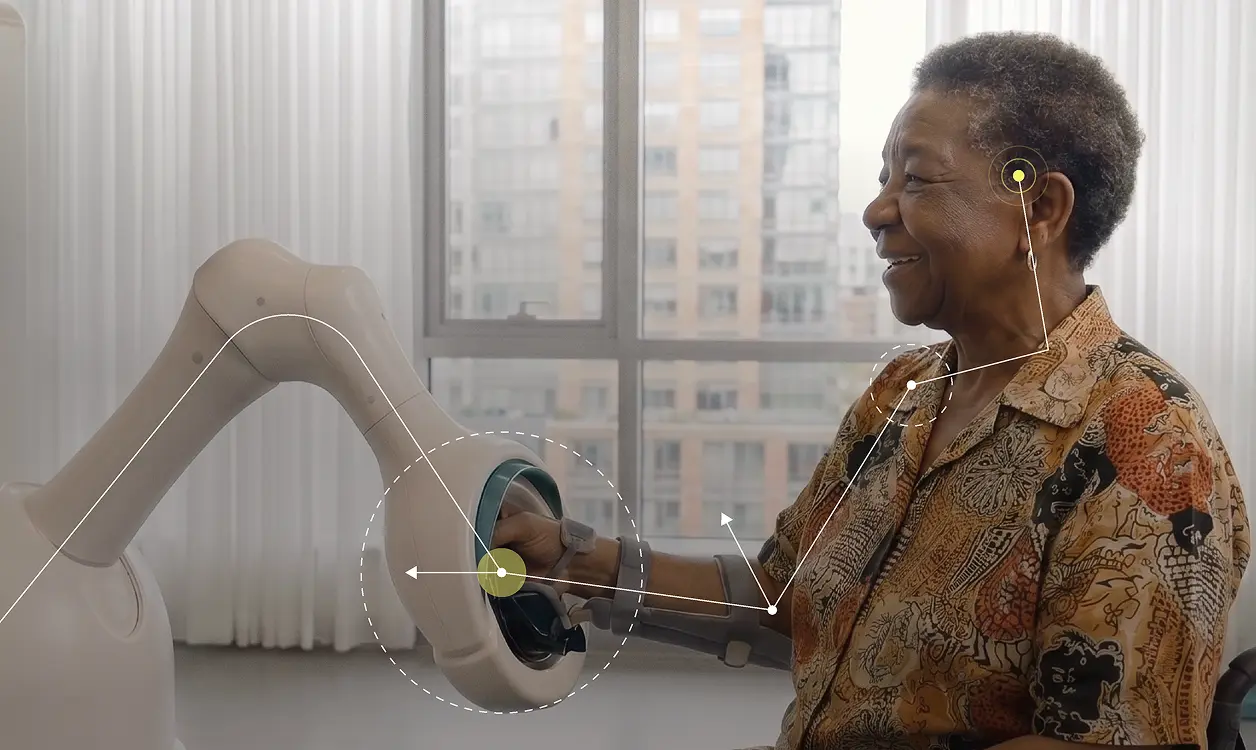
When force prediction is incorrect, movement errors drive adaption of the motor commands

Patients perform a movement with an error; the system measures the movement.
Error-augmenting force is applied, continuously adapted by machine learning based on the patient’s session performance.
Augmented error triggers adaptive patient response. Nervous system instinctively corrects movement pattern in real time.
Repeated corrective responses reinforce neural motor pathways, strengthening movement control and coordination.
Internal model is reactivated and motor memory consolidated, enabling durable, efficient, long-term movement patterns.
Hear from healthcare professionals and patients whose lives have been transformed by Bioxtreme's technology
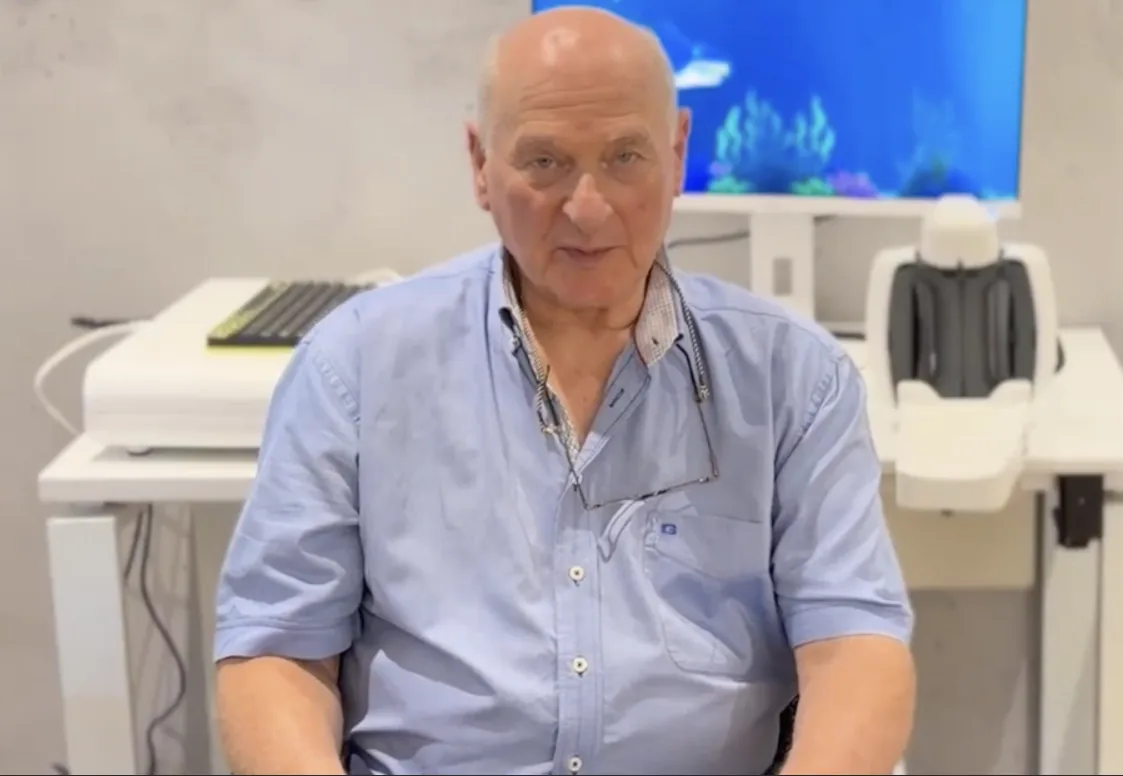

"Dextreme™ gives the therapist the ability to control the amount of help given to each patient according to their needs. I can clearly see the improvement in arm functionality after using the system."

“Bioxtreme exercises control by means of precise Error Augmentation, which is a smart way of innovation that provides patients with an excellent training path.”

"I find Dextreme™ extremely smart as it stimulates the need for the movement and allows me to understand the importance as well as the perception of correct movements."
Transform Your Rehabilitation Program
For further information about the Dextreme™ device, Plaxtreme, and our neurorehabilitation therapeutic solutions